the lingering light: els van riel
It is difficult to discuss contemporary and alternative film history without including Els van Riel among the most influential and prominent artists of her generation. With a background in analogue film and photography, she lives and works in Brussels as artist, projectionist, exhibition technician and collaborator on other artists' works. She is also involved with the analogue film lab Labo BxL and the experimental film screening platform Cinéma Parenthèse. Across her films, performances, and installations, 16mm film serves as the central element through which she explores the medium's fundamental components: time, light, movement, and materiality. Her focus lies on the light-sensitive emulsion of the filmstrip, the lens’s ability to refract light, and the possibilities and conditions of the cinematic apparatus itself. The camera and projector do not merely function as tools, but as active producers of perception and knowledge. Through the manipulation of exposure, focus, projection, and temporality, she deconstructs the relationship between vision, matter, and image production. Her strategy is to operate the moving images as both an analytical and a lyrical medium, and to make visible optical and photochemical processes that usually remain unconscious within everyday perception. For example, based on a hyperreal optical illusion, Unwritten Page (2001) is filmed in slightly murky light through a textile filter with the intention of making the cinematic image initially appear as a canvas. In Gradual Speed (2013), the speed of the film strip is manually operated, ranging from near stillness at only two frames per second up to the standard 24 frames per second, in order to create a structural shift in the perception of movement and time. In Fugue, A Light’s Travelogue (2017), the physical qualities of both natural and artificial light are investigated through the form of a travelogue, and in Elliptic (2025), specific and predetermined focus shifts serve to examine image depth while simultaneously analyzing the dispersion of light.
The technical apparatus is tangibly perceptible in van Riel’s works. Through subtle, almost imperceptible interventions, images fade, shift, and transform. The technical manifestation is fundamental to the structure of the films, yet remains unseen; only its effects can be experienced. Equally characteristic is her recurring use of static camera positions, long takes, everyday subjects, luminal experimentations, displacements of focus, and the gradual unveiling of places, animals, and people. These prolonged static shots evoke an experience of time akin to a rhythm of life, or perhaps more accurately, a rhythm of thought, as they allow space for reflection, because van Riel is a thinking filmmaker, not in a reductive sense, but one who observes, and her observation is concentrated and intimate. Her works invite the viewer to participate actively in a systematic strategy of “radical attention” — a methodical form of looking. She suggests that prolonged observation, even of the most ordinary object, transforms perception and enables rediscovery. Her films should therefore be understood as both patient investigations and artistic constructions.
Characteristic of van Riel’s work is also its direct, raw and stripped-down expression, which nevertheless remains emotional, sensual and deeply present. Her works are both personal and detached, existing in the tension between structural rigour and poetic perception, between the mechanical apparatus of cinema and the organic materiality of film itself. It is within this ttension that a rudimentary dynamic frequency emerges, placing everything under tension and causing the films to vibrate.
Working with 16mm film means for van Riel engaging directly with the material itself: its chemistry, texture, and grain. The projector is not merely a tool but an active, almost living presence within the space, something she emphasizes in the installation Omer (2014). Here, looping film frequencies draw attention to the mechanical sound of the projector and the projected light itself. The transience of the analogue medium becomes central in bringing still images and memories to life through the interaction between static portraiture and the circular movement of the film loop.
In the installation Static Vagues (2026), she explores the spatial properties of projection through eight synchronized 16mm projectors running five-minute loops across a 180-degree curved surface. For the first time in her oeuvre, the camera is no longer static but pans slowly across the edge of a forest opening onto a panoramic landscape. The imagery is romantic yet exposed, stripped of sentimentality. As in all of van Riel’s works, this piece cuts deeply like a knife into the flesh and causes physical pain, yet it is a sublime pain. The effect is almost tonal: a sound vibration that penetrates the ear canals, searches deeply into the body and extends all the way to the tips of the toes.
Another important aspect of van Riel’s practice is her collaborations with composers and sound artists. Rather than actively shaping the image, minimalist and subtle soundscapes and timbres emerge in the liminal space where the visual ends—not alongside it but through it—like an invisible current connecting what is seen to what is sensed. These sonic worlds open fissures in the surface of the image through which memories, sensations, and temporal layers materialize. Noise, tone, and rhythm become more than audible phenomena; they are forces that reshape perception itself. The image listens as much as it reveals. Sound guides the viewer toward what eludes language — the fragile, the fleeting, and the not yet fully articulated — and thus becomes not an expression of emotion but a mode of thought. In this encounter between sound and image, the world appears not as something given, but as a process of continual becoming.
( Daniel A. Swarthnas )
thu 10/09 18:00 | the lingering light – els van riel pt. 1 (screening at pupille)
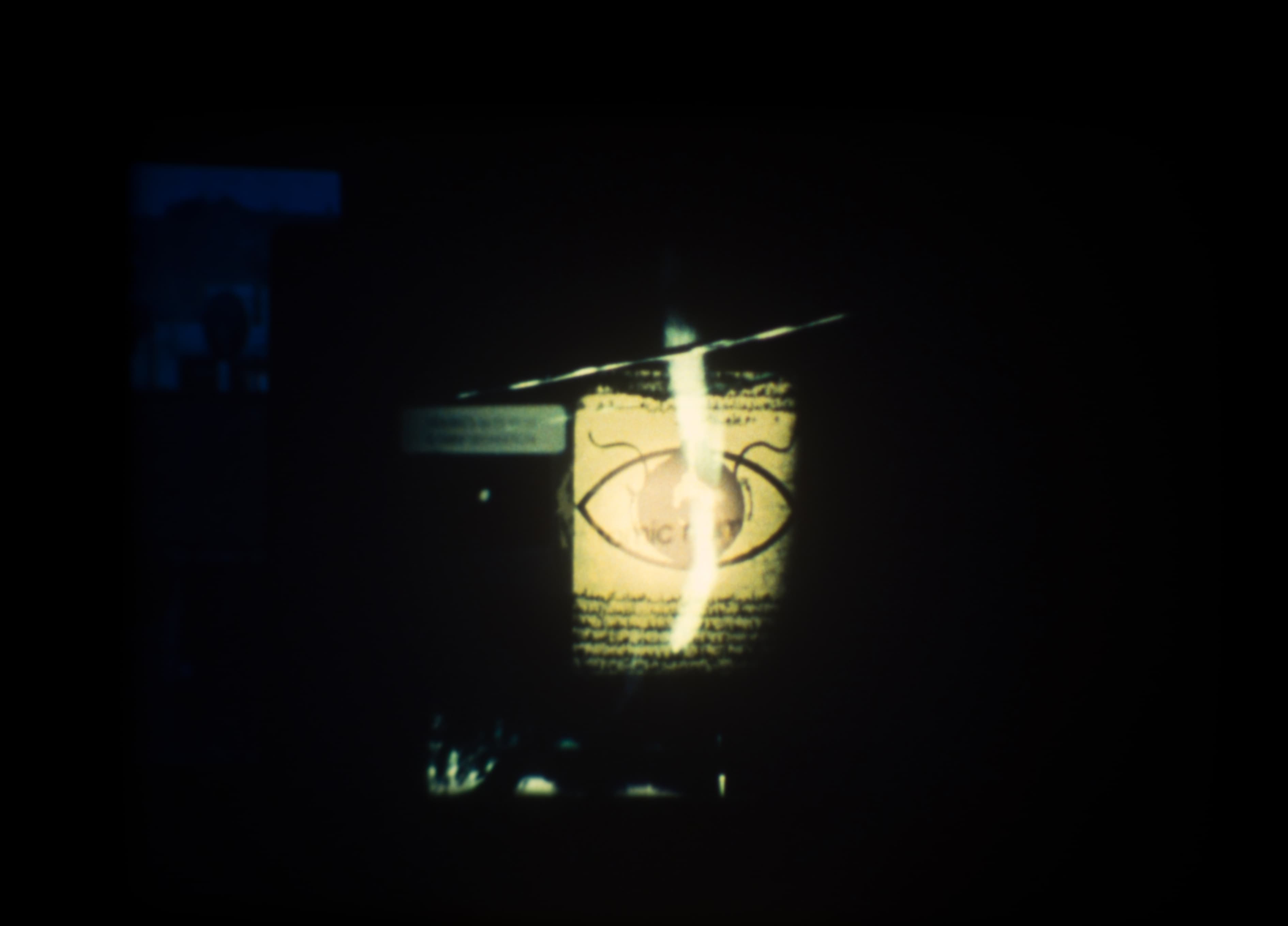
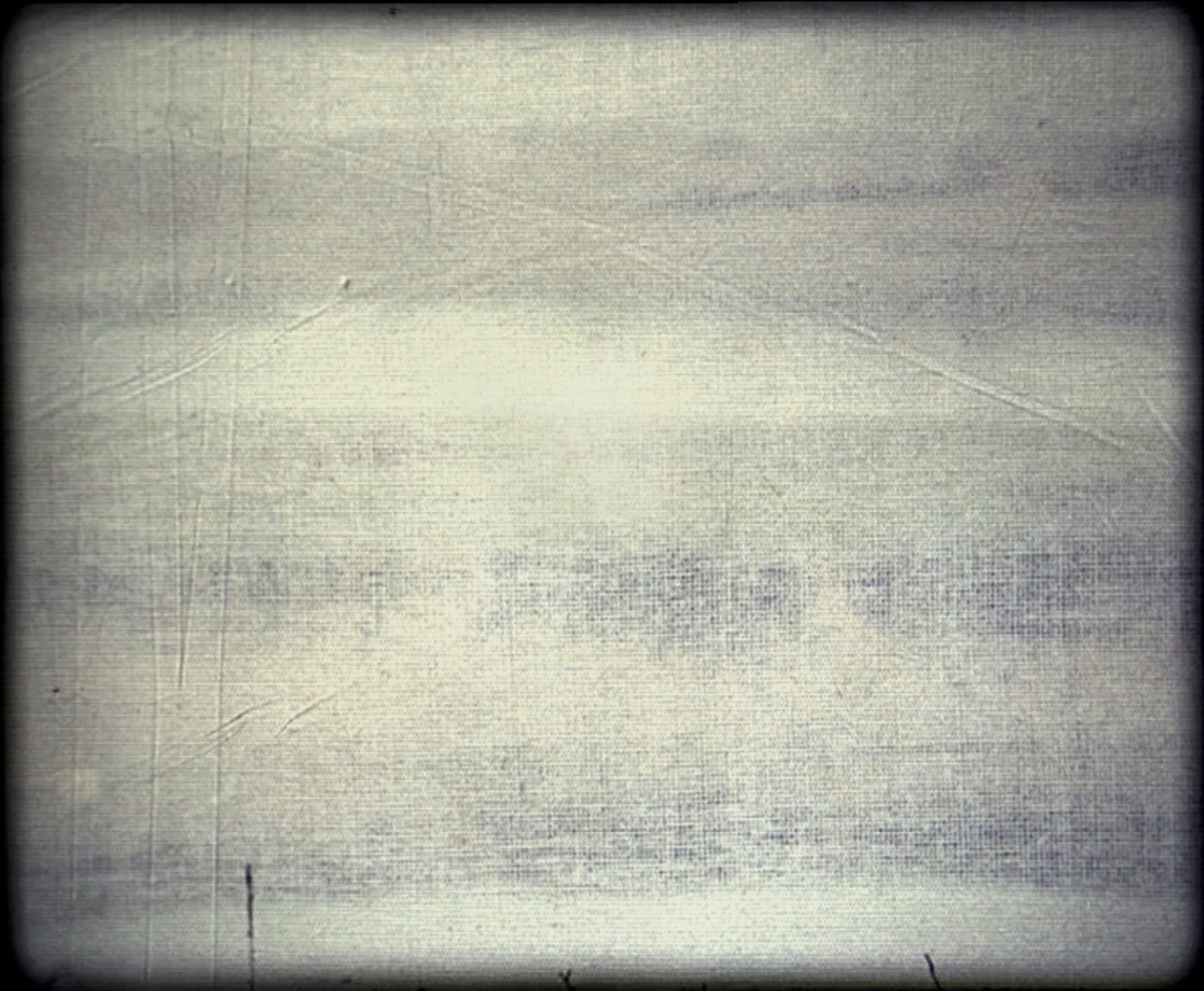
Unwritten Page is based on a hyper-realistic optical illusion, as it is filmed in slightly hazy light through a white textile filter that van Riel has hung in Zwin Nature Park. In this encounter, a trompe-l’œil effect emerges with the intention of making the cinematic image initially appear as a canvas. Only through movement is the material and optical construction of the image revealed. The film reflects the musical structure of Antoine Beuger’s composition, in which stillness and gradual change are central elements. Like the music, the film works with a form of visual silence: a pure white field resembling a blank page, an “unwritten page”, before any image or thought takes shape. The white fabric functions as a veil between the viewer and the landscape, and can be experienced symbolically as a study of absence. Light itself, together with a landscape shaped by absence, becomes the film’s primary subject rather than any depicted scene.
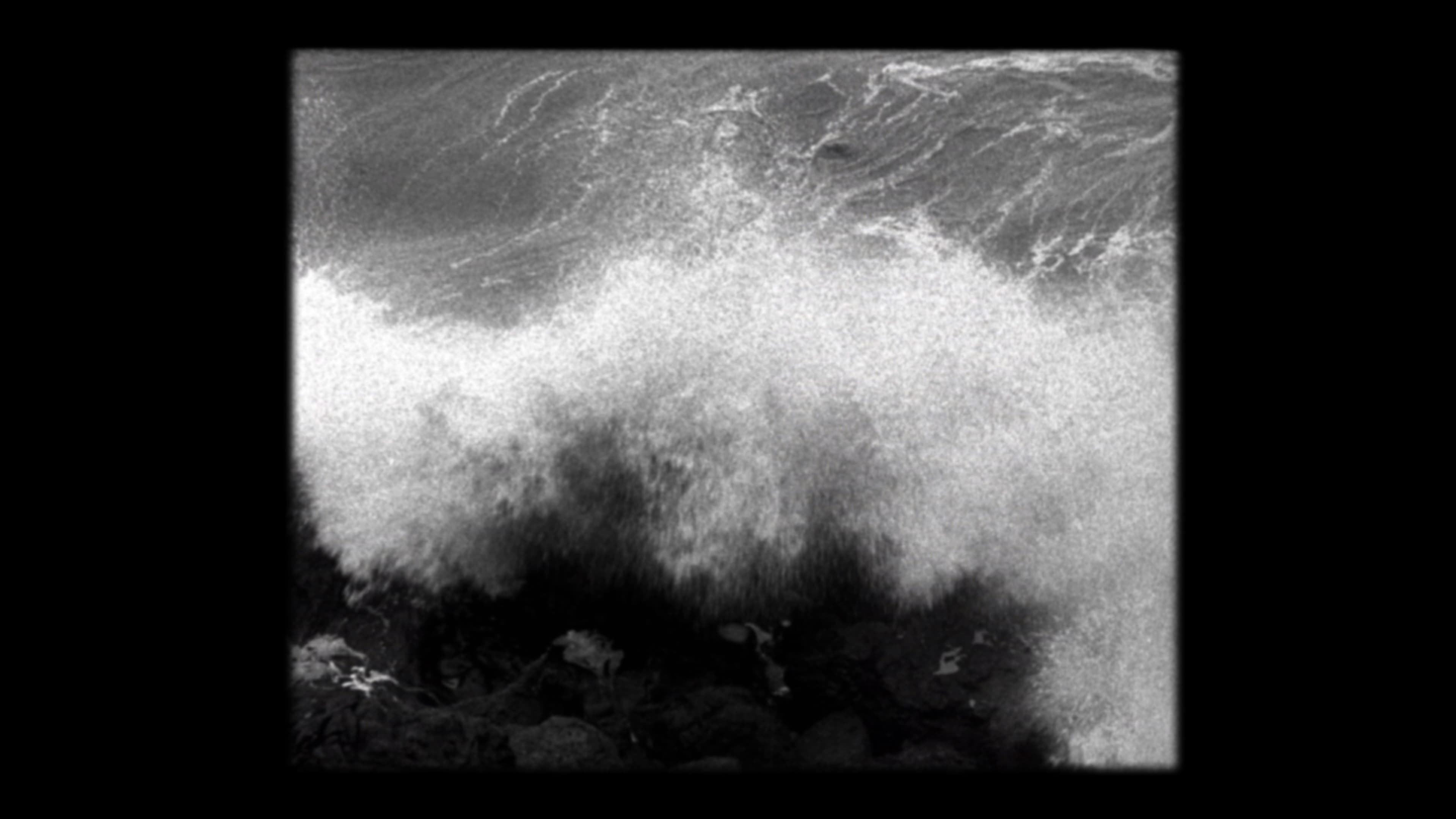
Gradual Speed is based on a collection of recorded images that operate as a post-medium reflection on the gradual disappearance of analog filmmaking techniques. The black-and-white 16mm film is treated simultaneously as a material carrier and a metaphorical structure for what remains inaccessible. Through a method in which the shutter is initially held open and the frame rate is gradually accelerated, exposure time is continuously altered, producing a perceptual shift between stillness, accelerated motion, and eventual alignment with real time. This temporal modulation articulates questions of representation, fixity, love and loss. The work is partly inspired by Vladimir Shevchenko’s documentation of Chernobyl, where the sensitivity of the film emulsion reveals traces of radiation, reinforcing film as a corporeal registration of light and residual imprints.
In the presence of Els van Riel
Unwritten Page
D: Els van Riel, 16mm, color, sound, 12 min, 2001
Gradual Speed
D: Els van Riel, 16mm, b&w, sound, 52 min, 2013
sat 12/09 13:00 | the lingering light – els van riel pt. 2 (screening at dff)
Fugue, A Light’s Travelogue moves between science and philosophy. In a series of images, projections, and re-filmed sequences, the film revolves around light, which is both concrete and elusive, a mystery that humans constantly try to understand but can never fully capture. In Fugue, light becomes both narrator and wanderer, composing a cinematic fugue in which perception is no longer anchored but dispersed across time. The film thinks through movement rather than representing it: images drift, return and transform like motifs in a musical structure. Here, fugue is not escape but an entanglement of memory, optics and duration. Light does not illuminate; it writes passages of becoming, where vision unfolds as recurrence and delay. Cinema emerges as a theoretical field in which seeing is always already in transit, never arriving at fixed meaning.
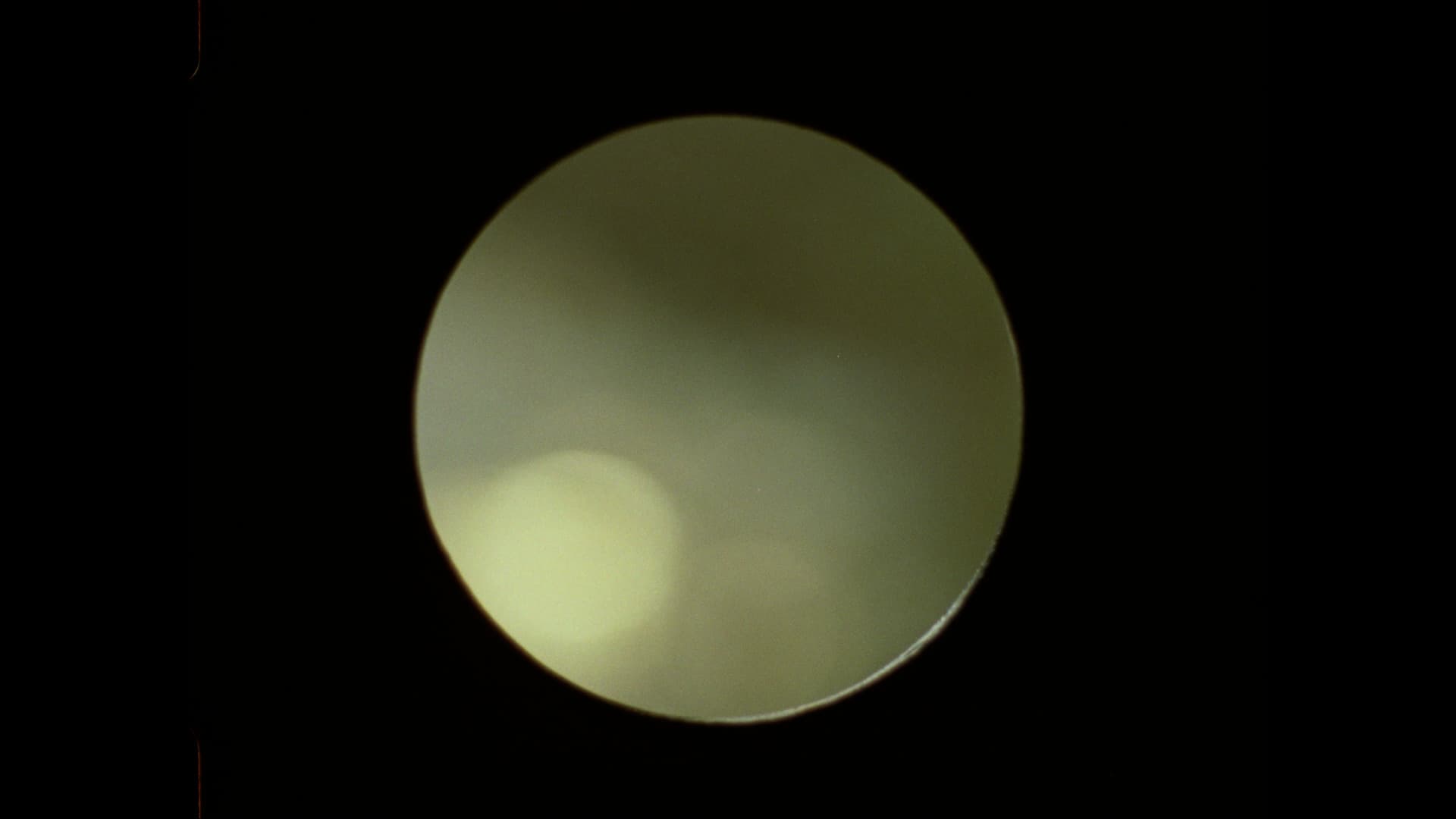
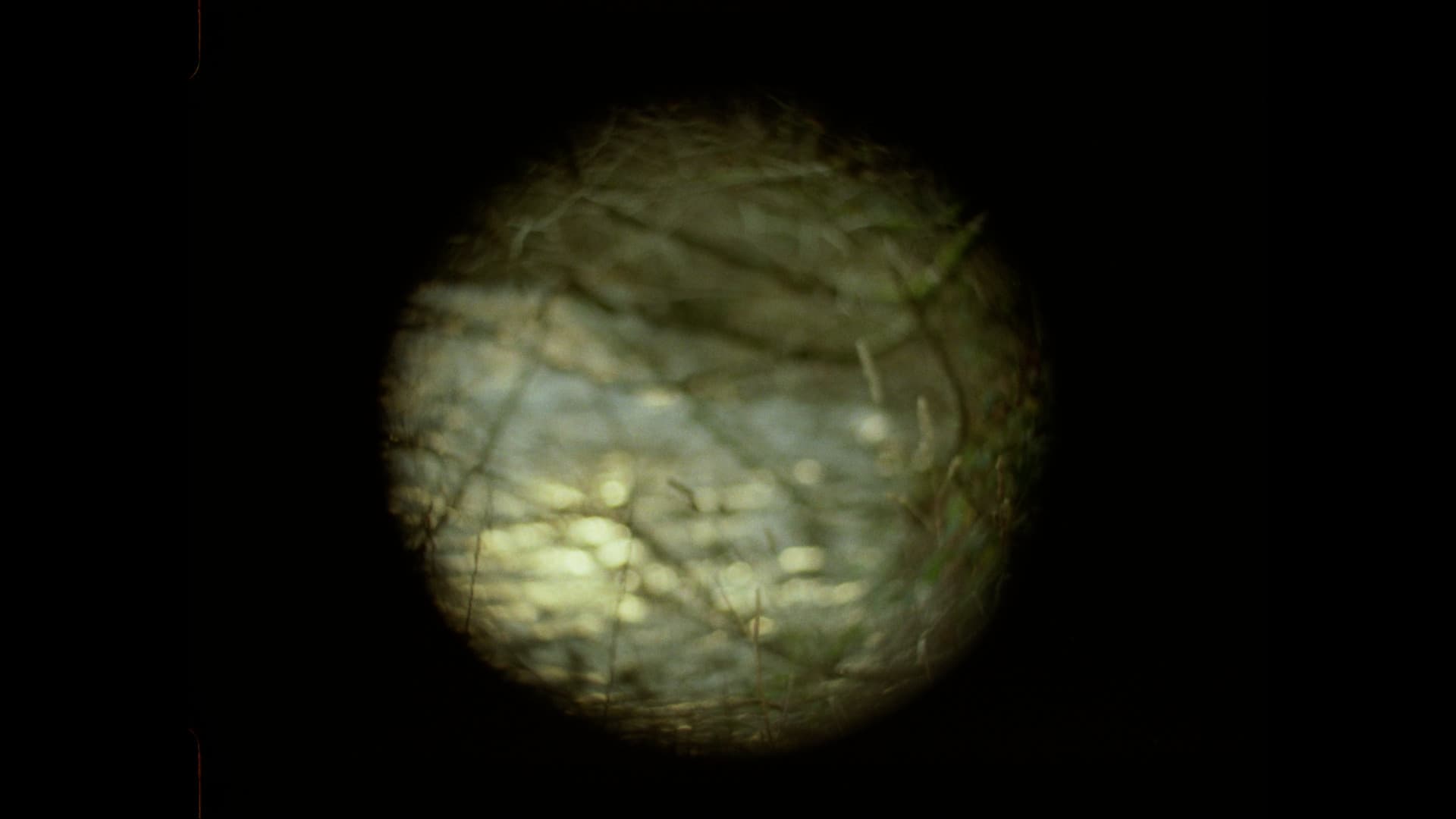
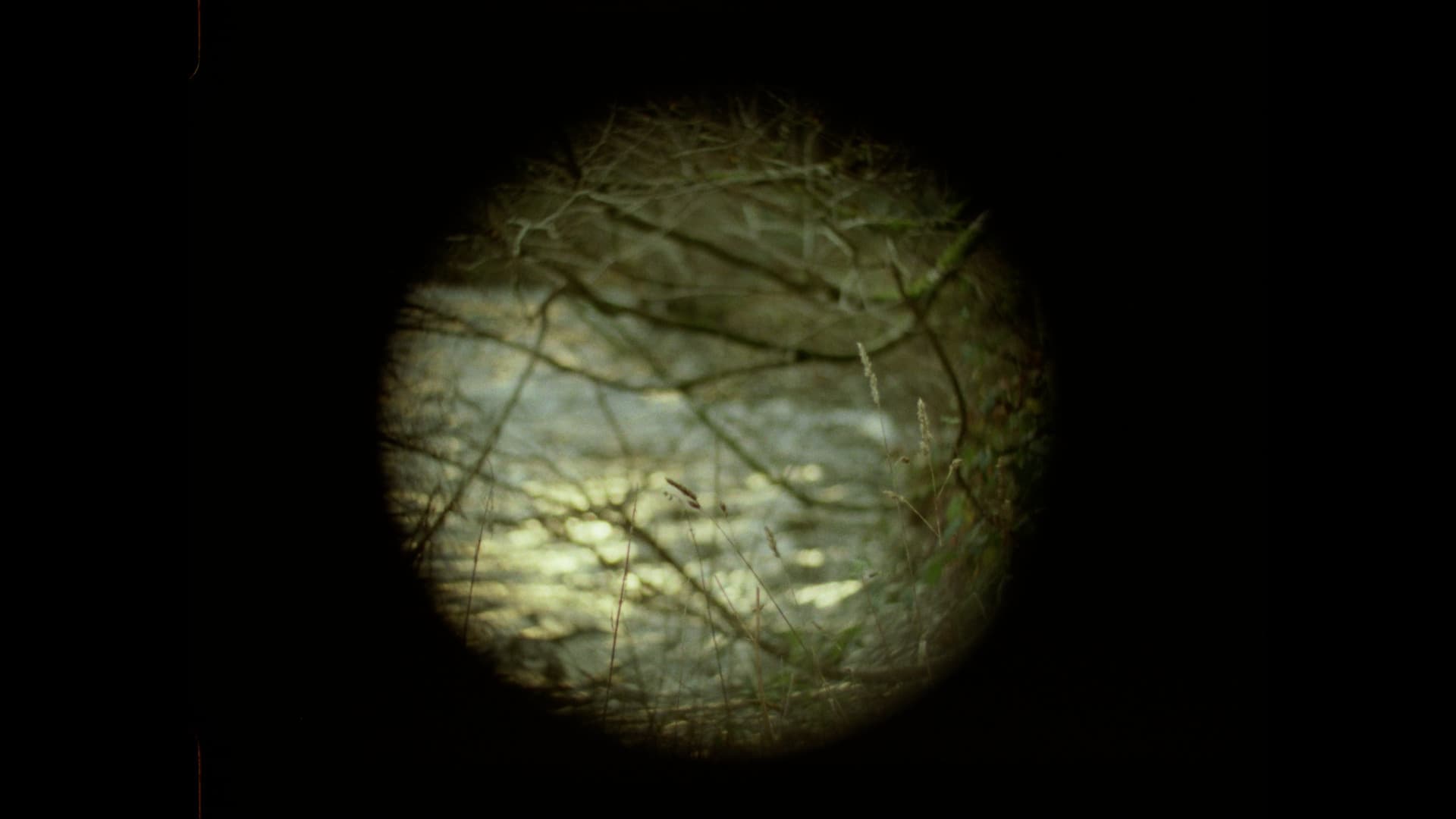
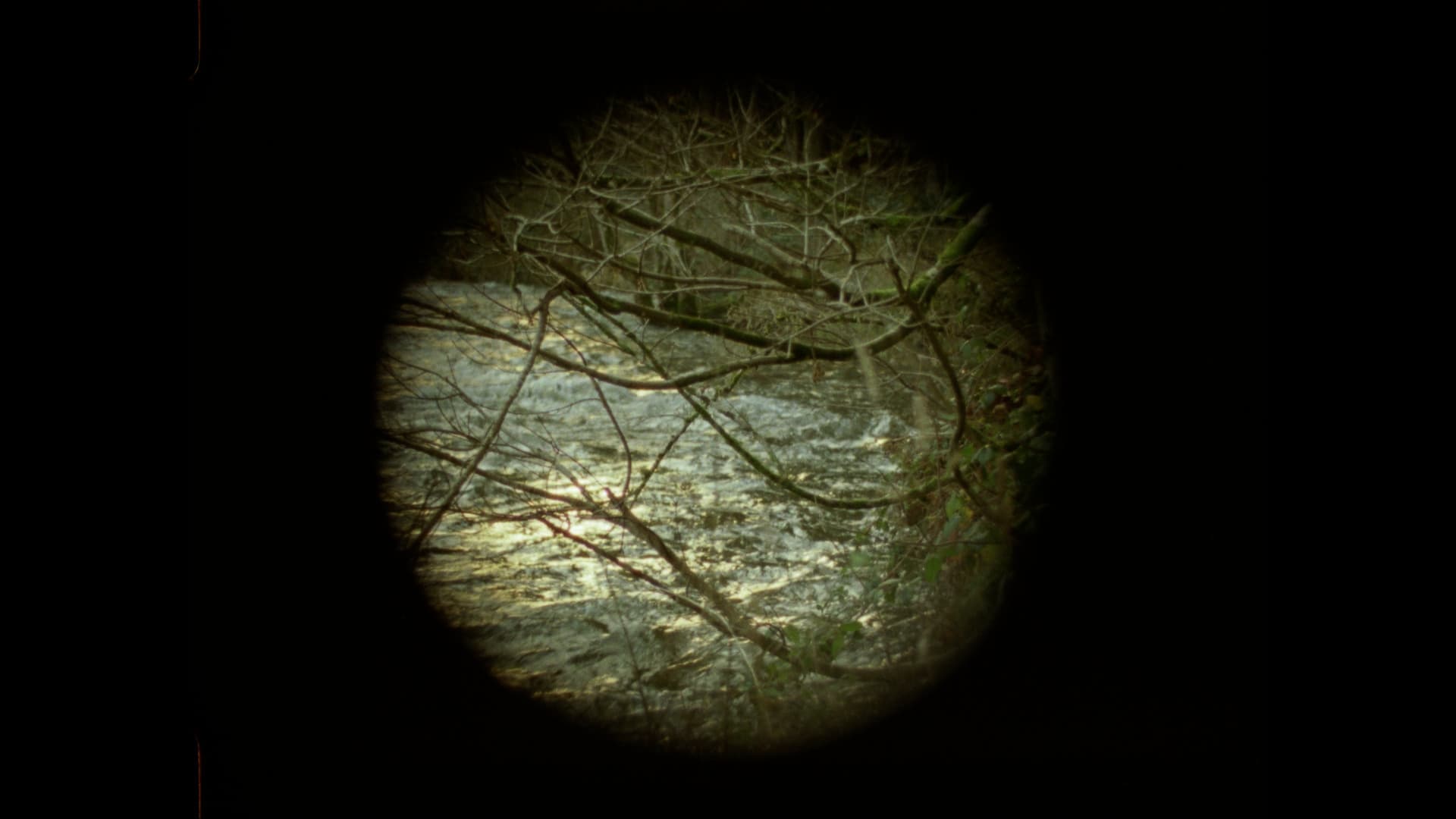
Elliptic is a quiet exploration of vision and of how film can alter the way we perceive the world. The film turns its gaze toward the optical process behind seeing and toward the most fundamental building block of cinema: light. Through a focus on time, movement, and cinematographic technique, the image is regarded as a result of reflected light, where rays of light are refracted, distorted, and reflected through the lens and in their encounter with different forms.
The film consists of images of ellipses, blur, and slow shifts in focus that move through indistinct subjects in search of details, only to return again. The process evokes visual surprises in which natural objects and reflections of light acquire a strange presence. Elliptic reveals the hidden physics of the cinematic medium and reminds us that film, in its purest form, does not depict reality, but rather makes visible the light that makes the image possible.
In the presence of Els van Riel
Fugue, A Light's Travelogue
D: Els van Riel, 16mm, color, sound, 27 min, 2017
Elliptic
D: Els van Riel, 16mm, color, sound, 30 min, 2025