frankfurt forms: the films of karl kels
sun 13/09 18:30 | frankfurt forms – the films of karl kels (screening at pupille)
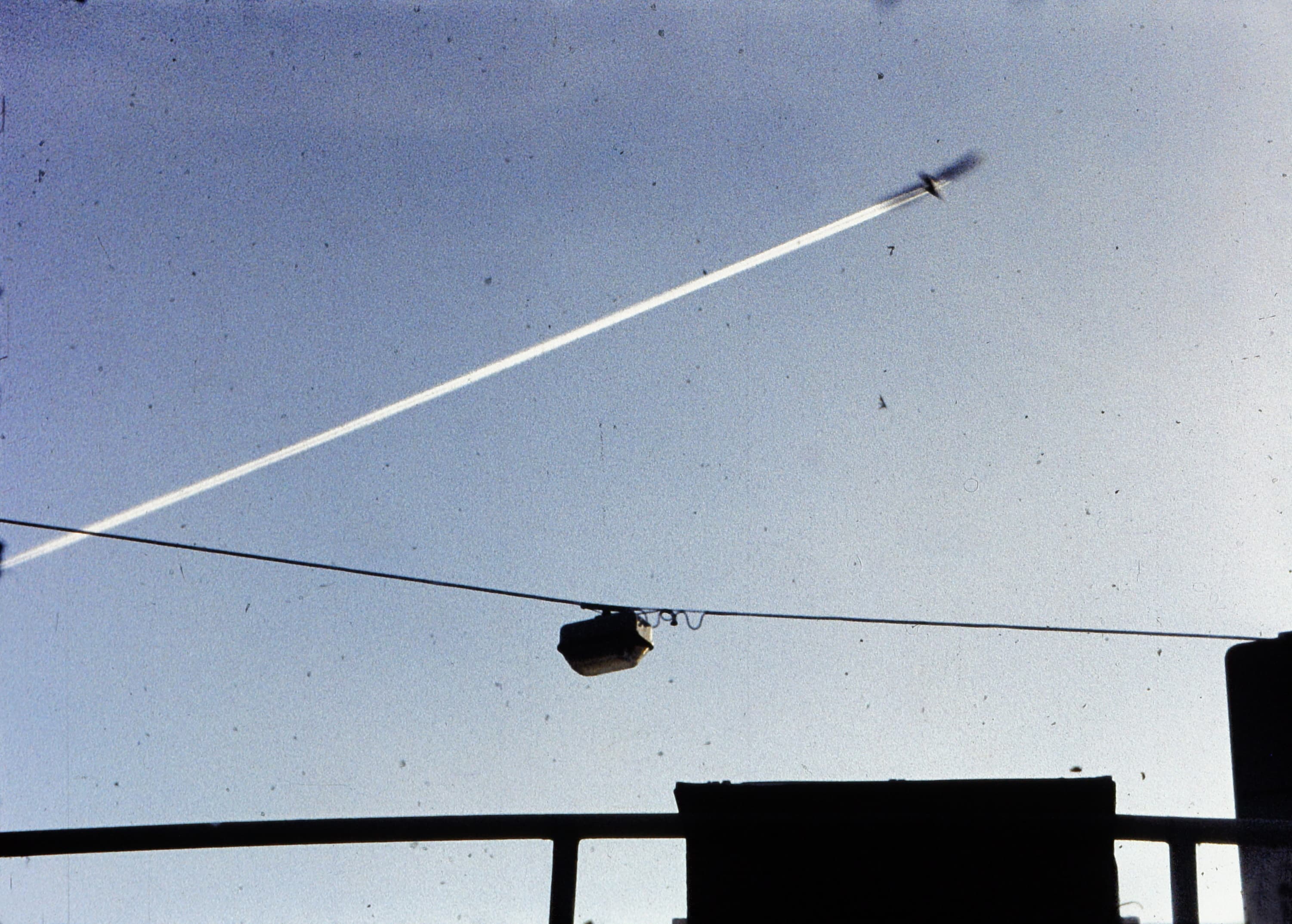
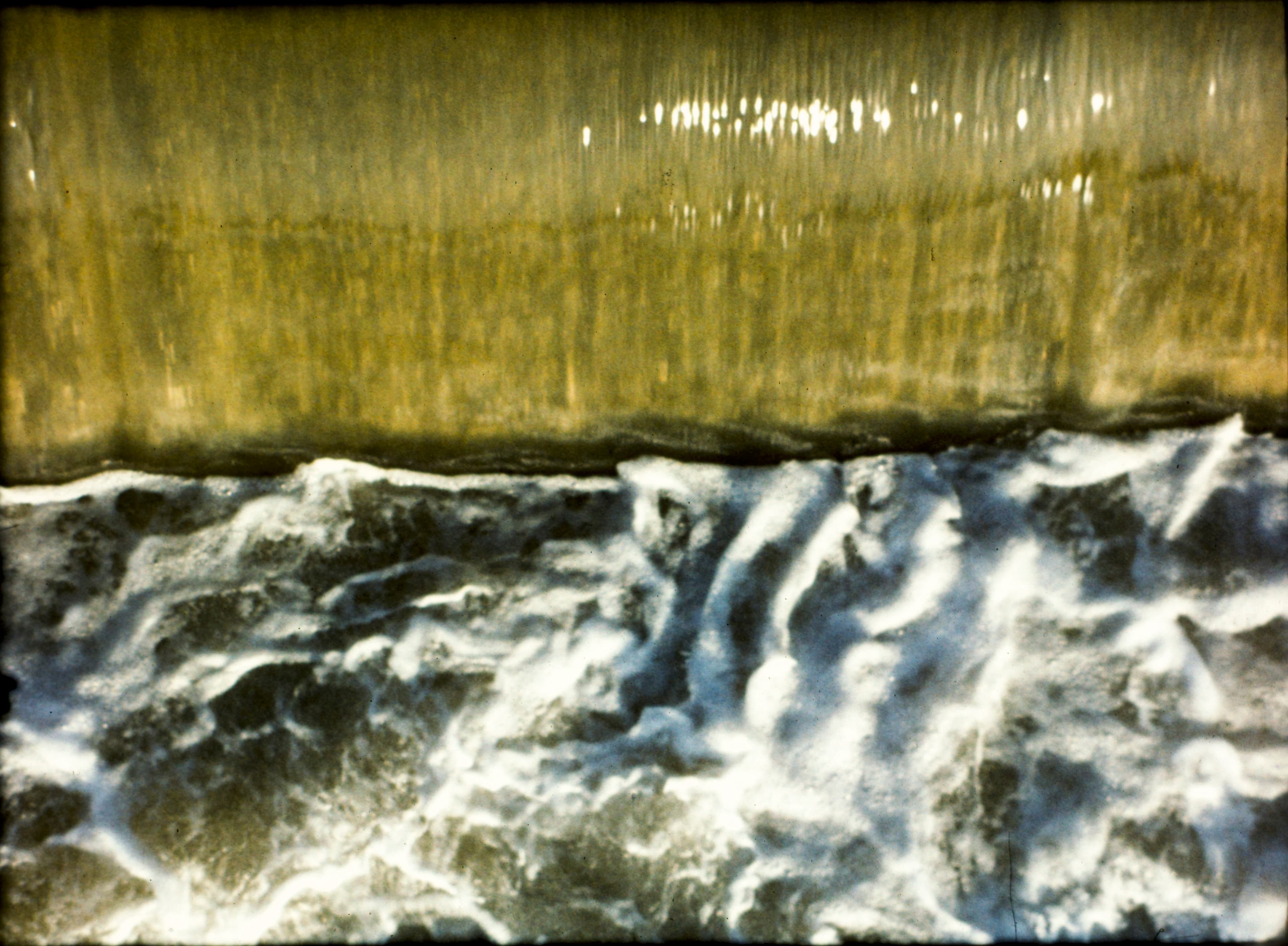
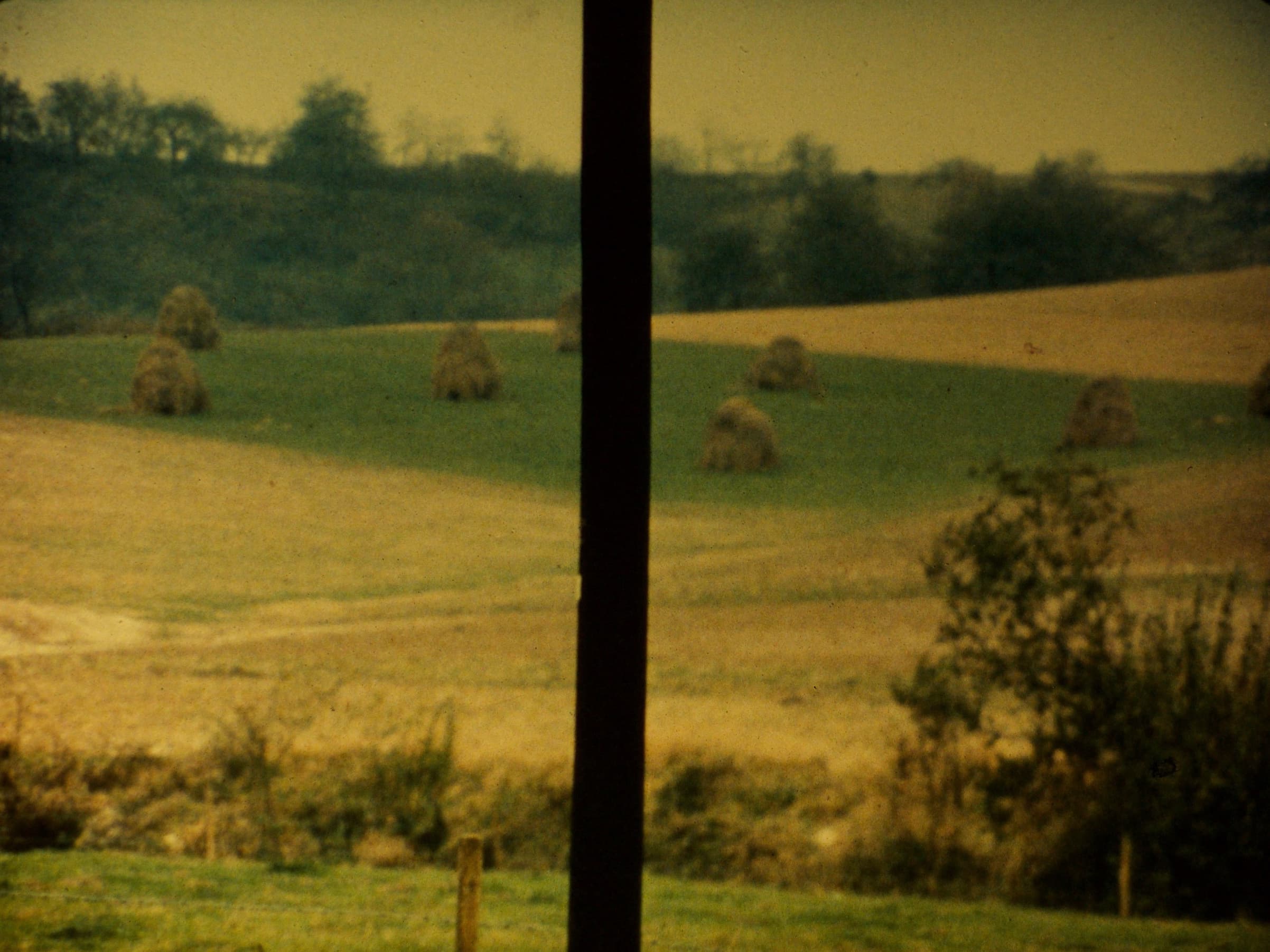
The perception of film as a temporal medium has squarely put the relation between real and filmic time as the focus of much of 20th century’s philosophical enquiries into the medium. These cardinal tenets of time concerned Berlin-based experimental filmmaker Karl Kels, from early 1980s through to the late 2000s. Whether filmic time will emulate real time, or if it will be a composed entity is a question that has been answered differently, by those who trusted the actuality captured in a continuous shot–like Lumière brothers, Andy Warhol, and Fluxus filmmakers–from those who believed in the power of montage to sculpt time–Georges Méliès, Sergei Eisenstein, and Peter Kubelka. Kubelka, who taught Kels at the Städelschule in Frankfurt, demonstrated how montage–a rupture in the time-space continuum–could operate at the level of single frames, independent from the stabilizing continuity of a shot, that then like music, would allow film to explore rhythms, and visual symphonies. Kels veered close to Kubelka’s teachings in his early films such as Haystacks and Sluice, where through variations and repetitions, he orchestrated a filmic dance of sorts, based on the ordering of the filmed scenes using metrical montage. In Condensation Trail such thrills of rhythm in the visual field is augmented by removing scraps of the film’s emulsion from selected frames in-between, in the process, generating a playful exchange between the representational and the material attributes of the medium.
Barber Shop is a departure from the earlier films. It is a portrait of a girl getting a mohawk while Kels’ camera lingers on her and the details of the shop; a fleeting reflection of the filmmaker in a shiny brass surface wraps up the film. It is an early example of Kels’ use of film as documentation and his lasting interest in portraiture. In Starlings and Cage, Kels’ focus returned to the materiality of film, albeit in a different way than in Condensation Trail. In both these films he combined progressive print generation with metrical structuring of shots, presenting unusual rhythms and textures of the image. In the former, a flock of birds and film grain combine into astonishing configurations in the sky with the moon crescent in the backdrop and in the latter, only two takes of a rhinoceros in a cage is fragmented and combined to construct a flickering, agitated motion of the animal in its enclosure that gradually wanes over time.
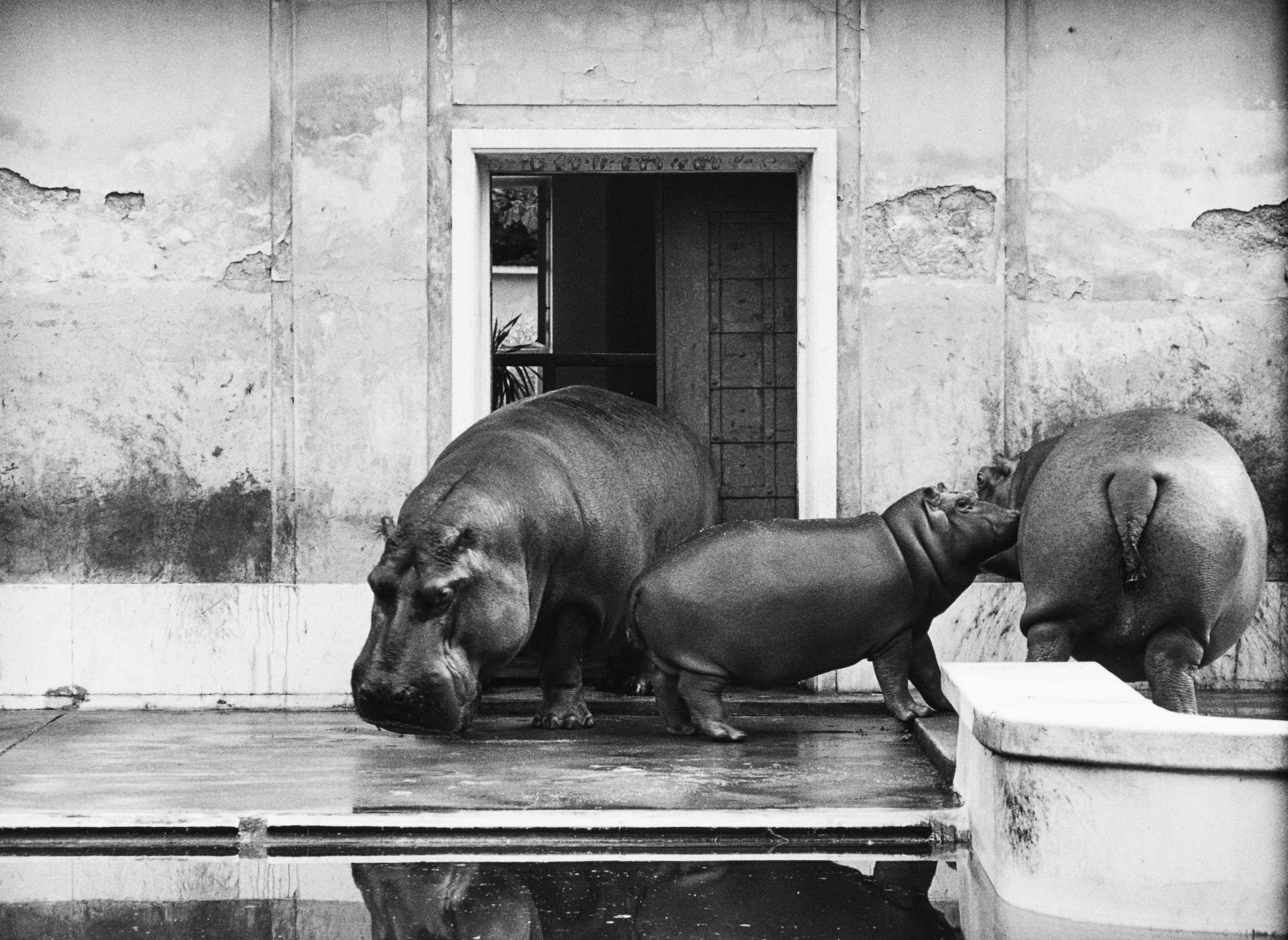
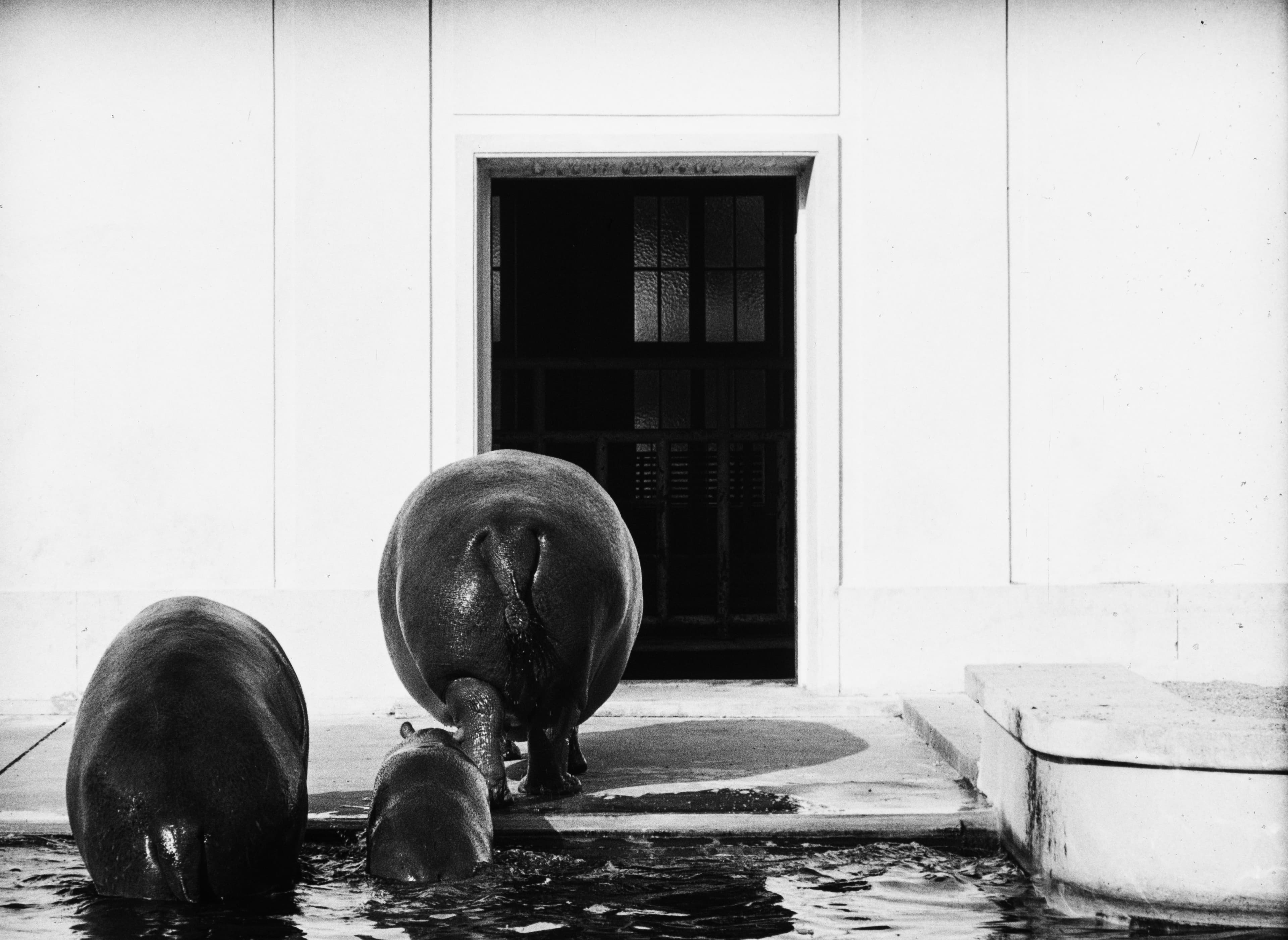
An interest in animals is a lasting feature of Kels’ oeuvre. For Hippopotamuses, where the tension between real and composed time comes to a head, Kels filmed minute-long shots at the Schönbrunn Zoo in Vienna depicting a family of three hippos. In these shots, Kels’ observant eye searched for the infinite realisable possibilities in the unstaged documentary reality–events, objects, movements–and edited them into his own highly plastic world, but did so without camouflages or narrative urgency.
( Arindam Sen )
In the presence of Karl Kels.
Heuballen (Haystacks)
D: Karl Kels, 16mm, color, silent, 2 min, 1981
Kondensstreifen (Condensation Trail)
D: Karl Kels, 16mm, color, silent, 3 min, 1982
Schleuse (Sluice)
D: Karl Kels, 16mm, color, silent, 5 min, 1983
Barber Shop
D: Karl Kels, 16mm, b&w, silent, 6 min, 1986
Stare (Starlings)
D: Karl Kels, 16mm, b&w, silent, 6 min, 1991
Käfig (Cage)
D: Karl Kels, 35mm, b&w, silent, 14 min, 2009
Flußpferde (Hippopotamuses)
D: Karl Kels, 35mm, b&w, silent, 35 min, 1993