left-handed memories: the films of shellie fleming
Shellie (Michele) Fleming (1954-2013) was a person of rare depth and sensibility. She was a collage and street artist, a revered teacher, photographer, poet, and filmmaker, who left behind a handful of films that, though relatively unknown, remain some of the most exquisitely crafted, delicately detailed, and intricately tactile films made in the 1980s and the 1990s. They are intensely personal, also amateur—as Fleming would sometimes call them—but only for the word’s etymological link to love. The quaint overlaying of images, the quivering presence of colour, and the delicate weaving of words, sounds, and music, attest to the workmanship and care that went into each film. Words in particular meant a great deal to Fleming, it is the phrases, lines, quotes, both written and spoken, and the weight they carry–in their slippery meanings, the typographic and sonic symphonies, and power to (mis)communicate–that remained her preoccupation. The films are about memory, forgetting and remembering, holding on and letting go, and all the liminal spaces of existence.
( Arindam Sen )
sat 12/09 15:00 | left-handed memories: the films of shellie fleming (screening at dff)
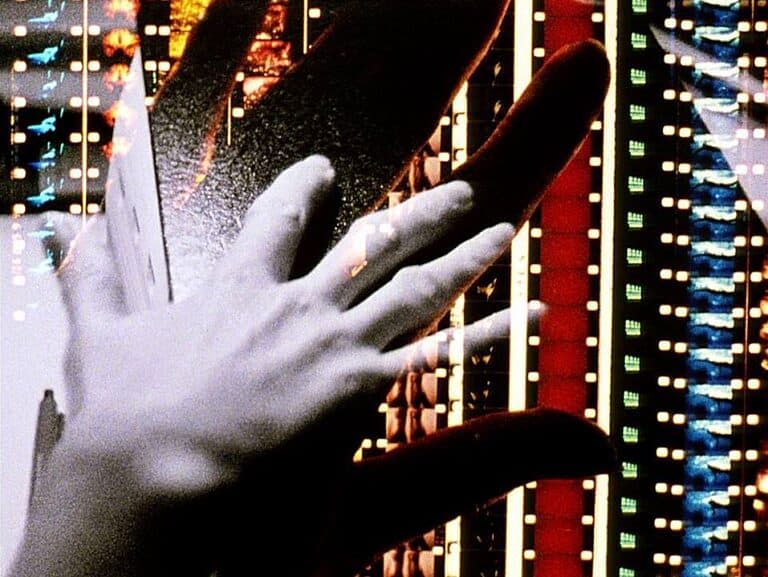
Left Handed Memories was made while Fleming was recuperating from the loss of Will Hindle, a fine filmmaker, her teacher, and the centre of her affections in his last years. It comprised outtakes from Hindle’s films and was shot on expired film stock with a tiny budget, partly in Baltimore after Hindle’s funeral, and partly in Atlanta, in her new home. It used news bits from far flung corners, as a way for Fleming to reinstate herself in the world after Hindle’s death, and as a reminder of the diminutive nature of one's existence in the larger scheme of things.
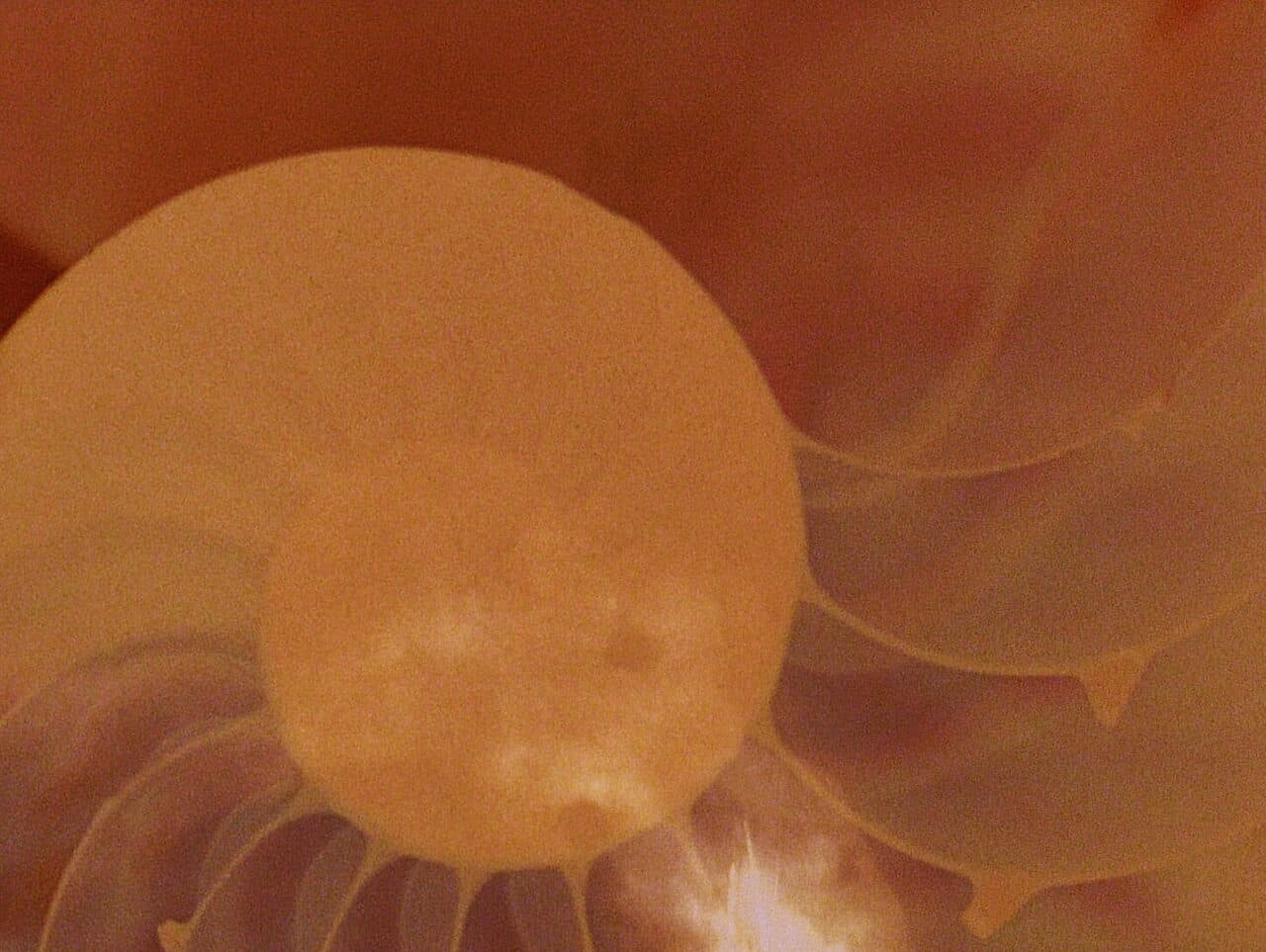
In Private Property (Public Domain) Fleming was testing out the waters of Postmodernism – the end of grand narratives and the adventures of appropriation. In Fleming’s films, objects are often shown up close, steered away from the vanity of reality, towards something a bit obscure, hazy, erotically charged, and lingering on the edges of abstraction. Private Property tenders such a rendering of seashells that find visual resonance with shapes of body parts from an intimate distance.
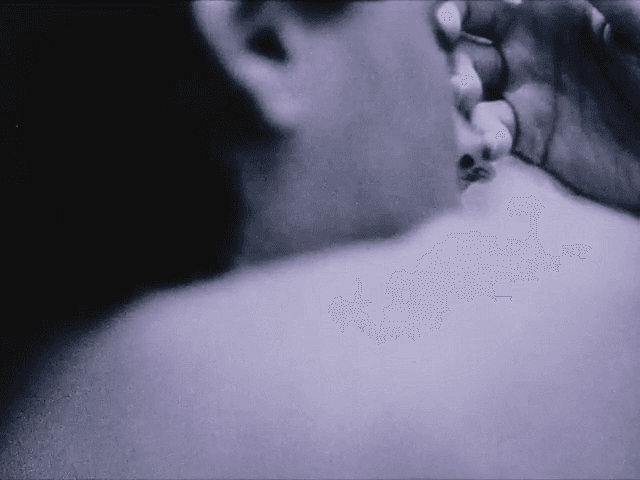
Poetry was integral to Fleming, to her it wasn’t just a means of expression but rather a way to be articulate with words, to be able to communicate better; “it’s one of the few areas in my life where I can declare flat out jealousy”, she quipped. Her filmic poem Devotio Moderna "utilize(s) someone else’s words and spin(s) them in a new direction with the addition of (…) visuals”. That someone else is Sylvia Plath, her poem Tulips is the point of departure.
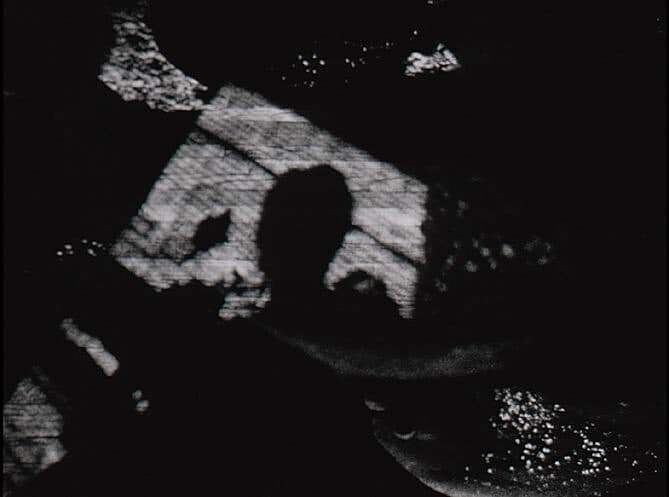
Exploring the possibilities of storytelling and furthering her interest in the vagaries of language, in Life/Expectancy, Fleming repurposed separate excerpts on visual and audio tracks from well known films such as Intolerance, Sunset Boulevard, The Lady from Shanghai, Stage Fright, and Persona among others with footnotes snippeted from contemporary literature on a range of themes, from psychology to desire, devotion to cached horrors in the human heart.
The four films presented in this program are the only ones Fleming intended to be publicly shown.
Curated and introduced by Arindam Sen. Many thanks to the Academy Film Archive (Mark Toscano) for providing the analogue prints of this program. Images courtesy of the artist.
Left-Handed Memories
D: Shellie Fleming, 16mm, color, sound, 15 min, 1989
Private Property (Public Domain)
D: Shellie Fleming, 16mm, color, sound, 12 min, 1991
Devotio Moderna
D: Shellie Fleming, 16mm, color, sound, 10 min, 1993
Life/Expectancy
D: Shellie Fleming, 16mm, b&w, sound, 30 min, 1999