utako koguchi: O-DE-KA-KE diary 1 & 2
The idea to dedicate a program focus on Japanese experimental filmmaker Utako Koguchi grew out from close a conversation with Ute Aurand, a good friend of the festival who was one of our artists in focus last year. Aurand screened Koguchi’s films in 1994 as part of the Filmarbeiterinnen-Abende film series she co-organized at Berlin’s Kino Arsenal and other communal cinemas, and has maintained a connection with her ever since. Koguchi studied theater and film at Waseda University in Tokyo and began making films in the 1980s, initially on Super 8 (The Rain 1981, Etude of Szerny 1982, The Home of Dr. Axolotl 1982), and later on video (A Melancholic Girl 1983; the series Ophelia’s Favorite Book 1995, among others), and to create performance art. Her works draw attention to lived experience and the materiality of the body, and blur fixed (gender) identities, states, and conceptions of space — as is particularly evident in her two groundbreaking diary films, O-DE-KA-KE Diary 1 & 2, which are the focus of our two programs. Koguchi has worked as a dance instructor, publisher, and writer, as well as a professor at various art schools. Since the early 1990s, she has been a leading voice in feminist movements and debates within the Japanese experimental film scene, which had until then been mostly male-dominated. Through her teaching and curatorial work, she remains, much like Aurand, a dedicated supporter and mentor of young filmmakers, particularly women.
fri 11/09 17:00 | utako koguchi: O-DE-KA-KE diary 1 (screening at pupille)
The Sleeping Flower:
"Close your eyes, Grandma! Close your eyes, please.”
“Am I dying? I don’t want to be like a dead.”
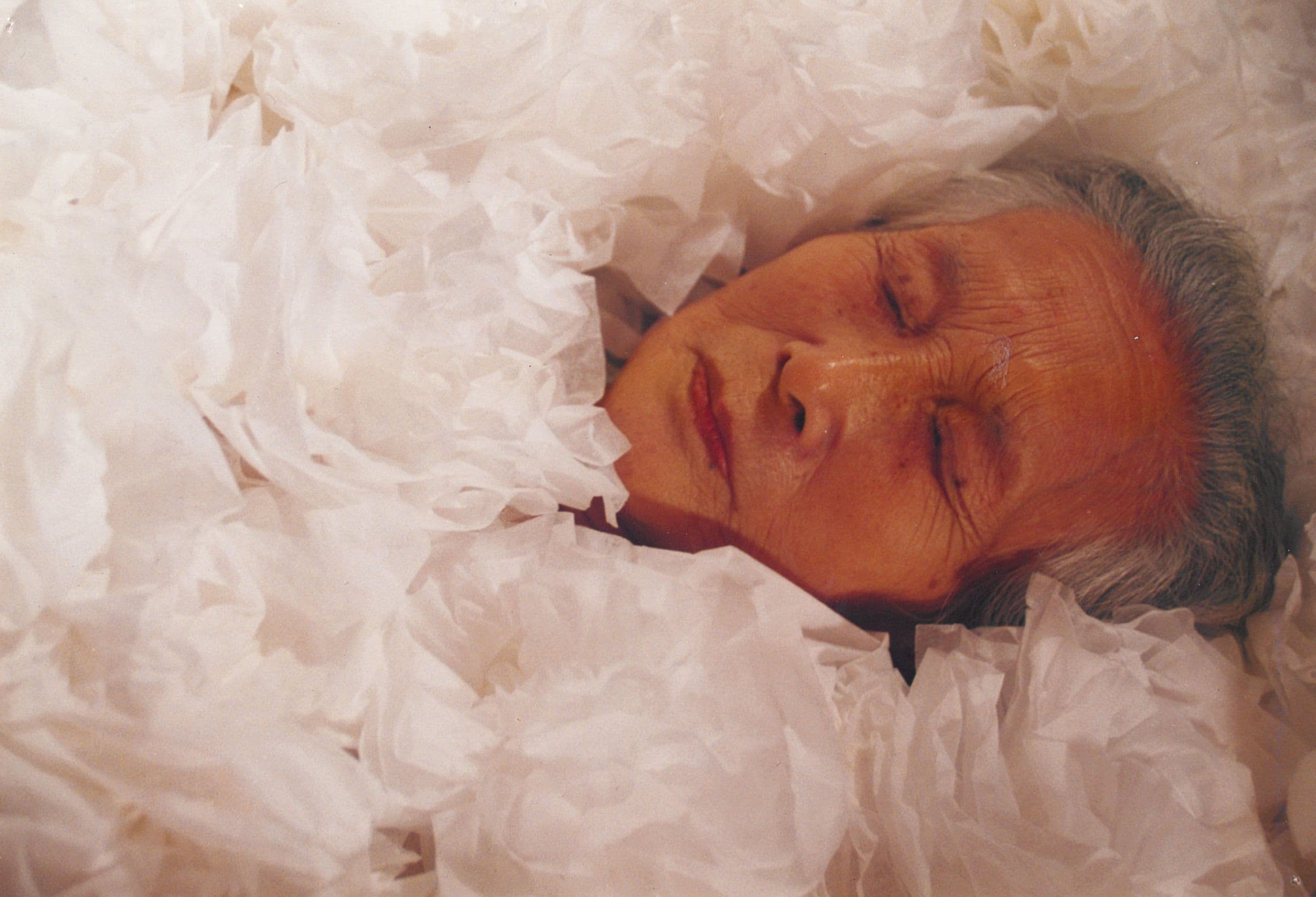
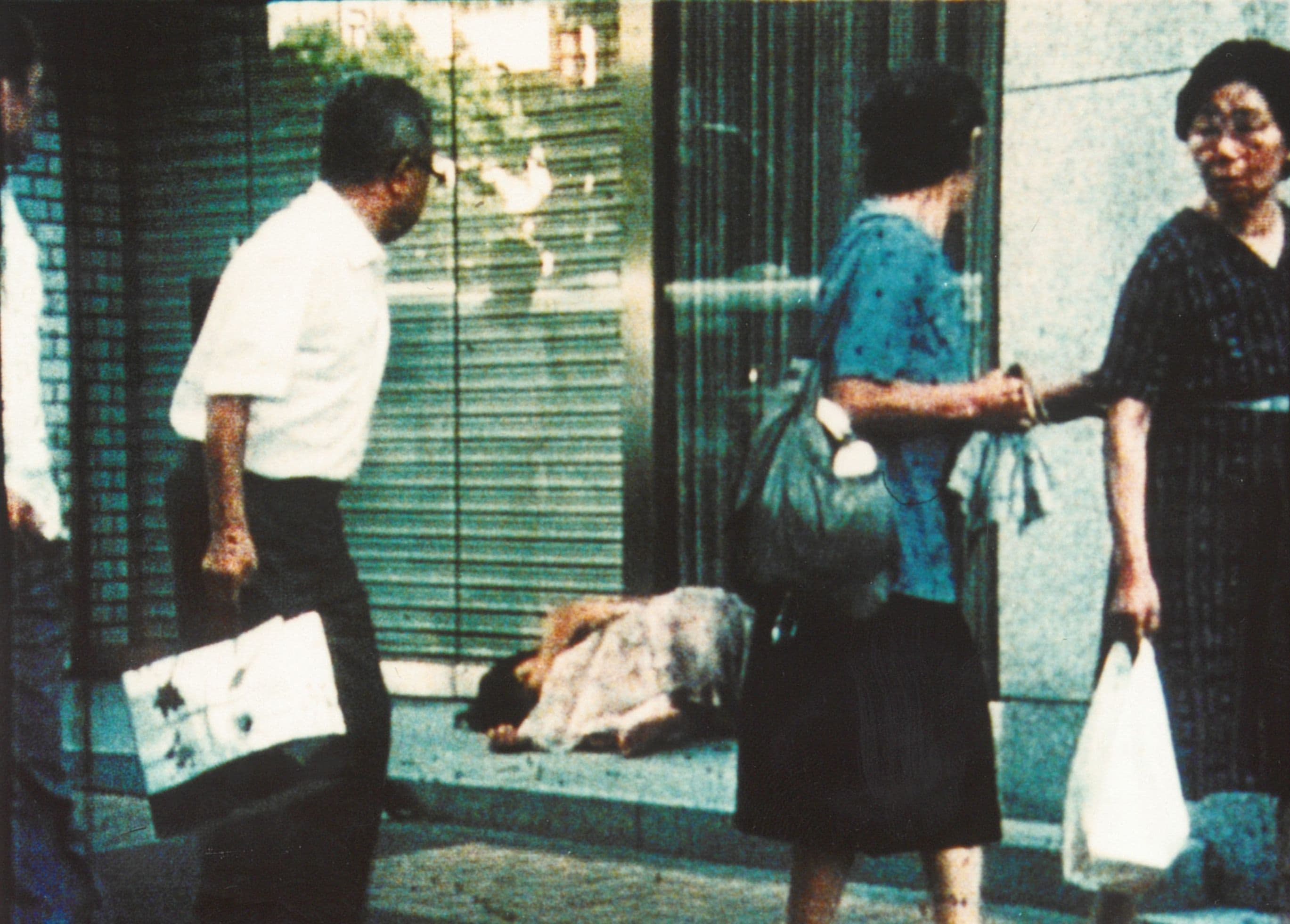
This is a talk between an old woman, the main role, and her grandchild (director herself) during shooting. A fictious funeral of the grandmother who will die some day is held. She is buried in white paper flowers with her eyes closed, but she is alive. However, her sleeping face seen in her daily life is the very image of death.
A daily talk by three women from different generations, a grandchild, her grandmother and her mother develops from a trivial one to a serious theme of death in whispers.
“Are you scared of death, Grandma?”
“Never! I am just wondering why I live so long.”
( Utako Koguchi )
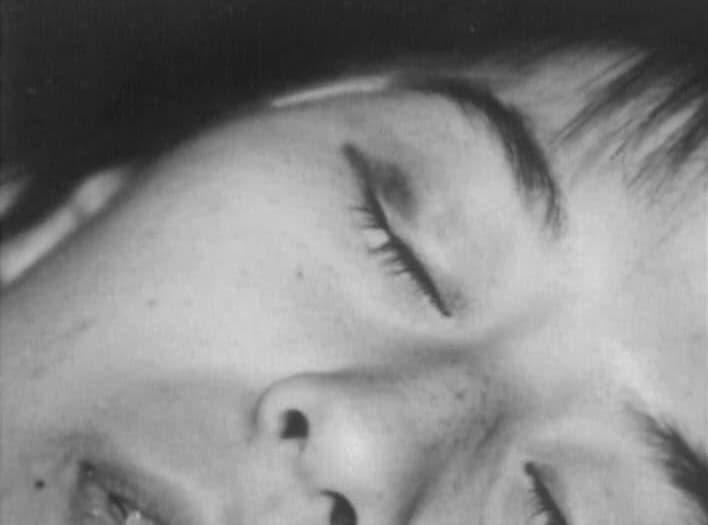
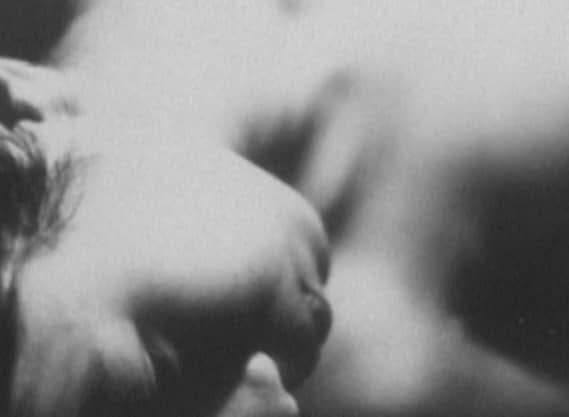
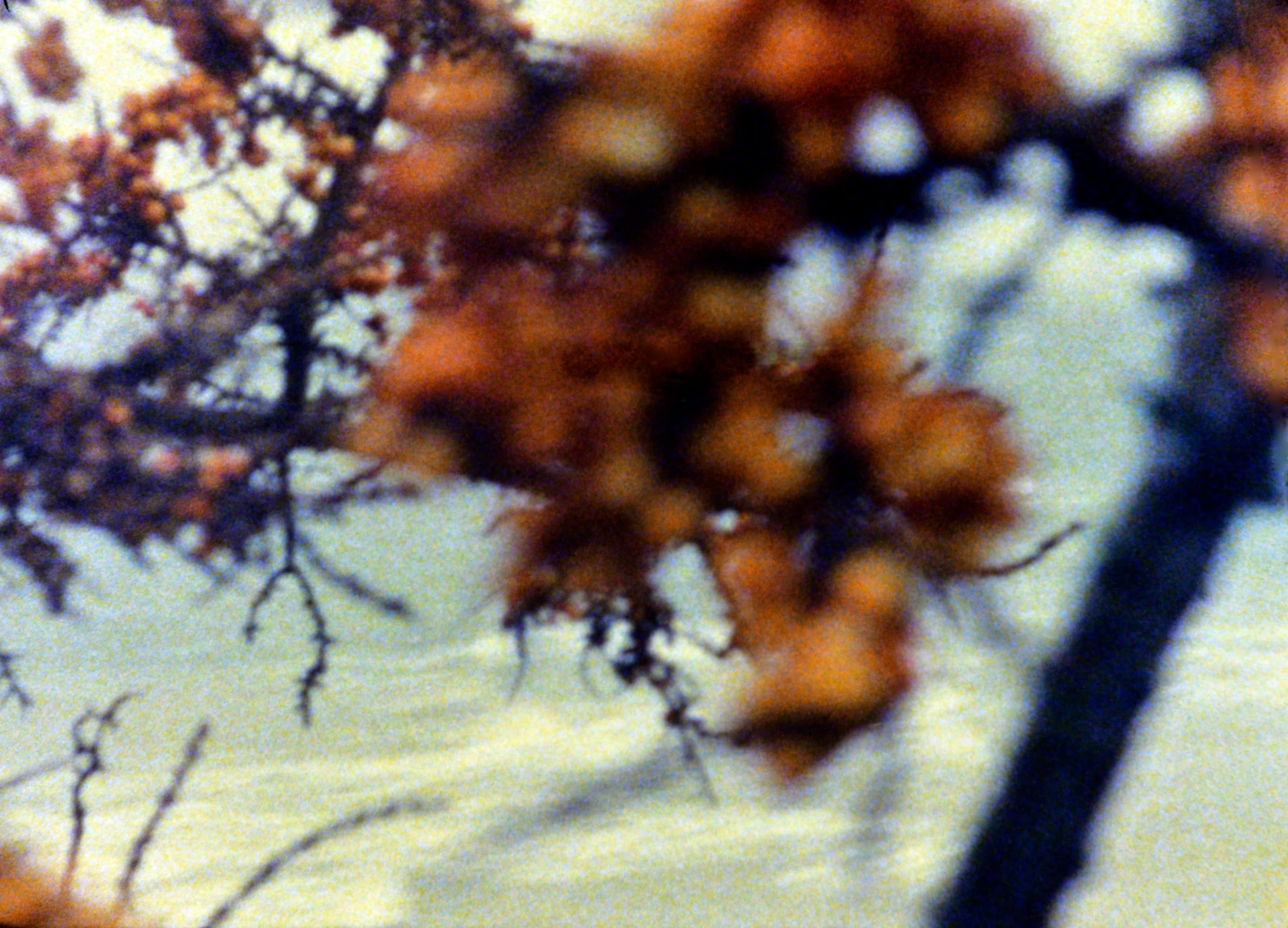
When I first saw O-DE-KA-KE DIARY, there was a very special energy (perhaps an Asian one?) that transformed my very being. Utako Koguchi plays herself—she walks through Tokyo in a light dress. She climbs trees, swims in rivers and streams, lies down between train tracks, and roams through the night. This strange, bright star moves through our world, seemingly invisible to her surroundings. She handed the camera to various friends to film her actions—vivid, moving images, as unbridled as she is, unbridled in her curiosity and desire for this world, and in her sadness as well. She roams through inner moods in outer worlds. Nature and civilization, day and night—life and death. A song and jubilation fill me, and at the same time, loneliness—there she runs and skips across this overexposed meadow through the damp, light-green grass—the day is very young, and she is as born anew. And so am I.
Am Meer: On the sound track we hear Utako Koguchi, playing the piano and singing, while the image edited in camera, records a walk on the island of Hiddensee.
( Ute Aurand )
In the presence of Ute Aurand who is introducing the programs. With a film talk afterwards.
The Sleeping Flower
D: Utako Koguchi, 16mm, color, sound, 7 min, 1991
O-DE-KA-KE Diary 1
D: Utako Koguchi, 16mm, color, sound, 47 min, 1989
Am Meer
D: Ute Aurand, 16mm, color, sound, 3 min, 1995
sun 13/09 16:00 | utako koguchi: O-DE-KA-KE diary 2 (screening at pupille)
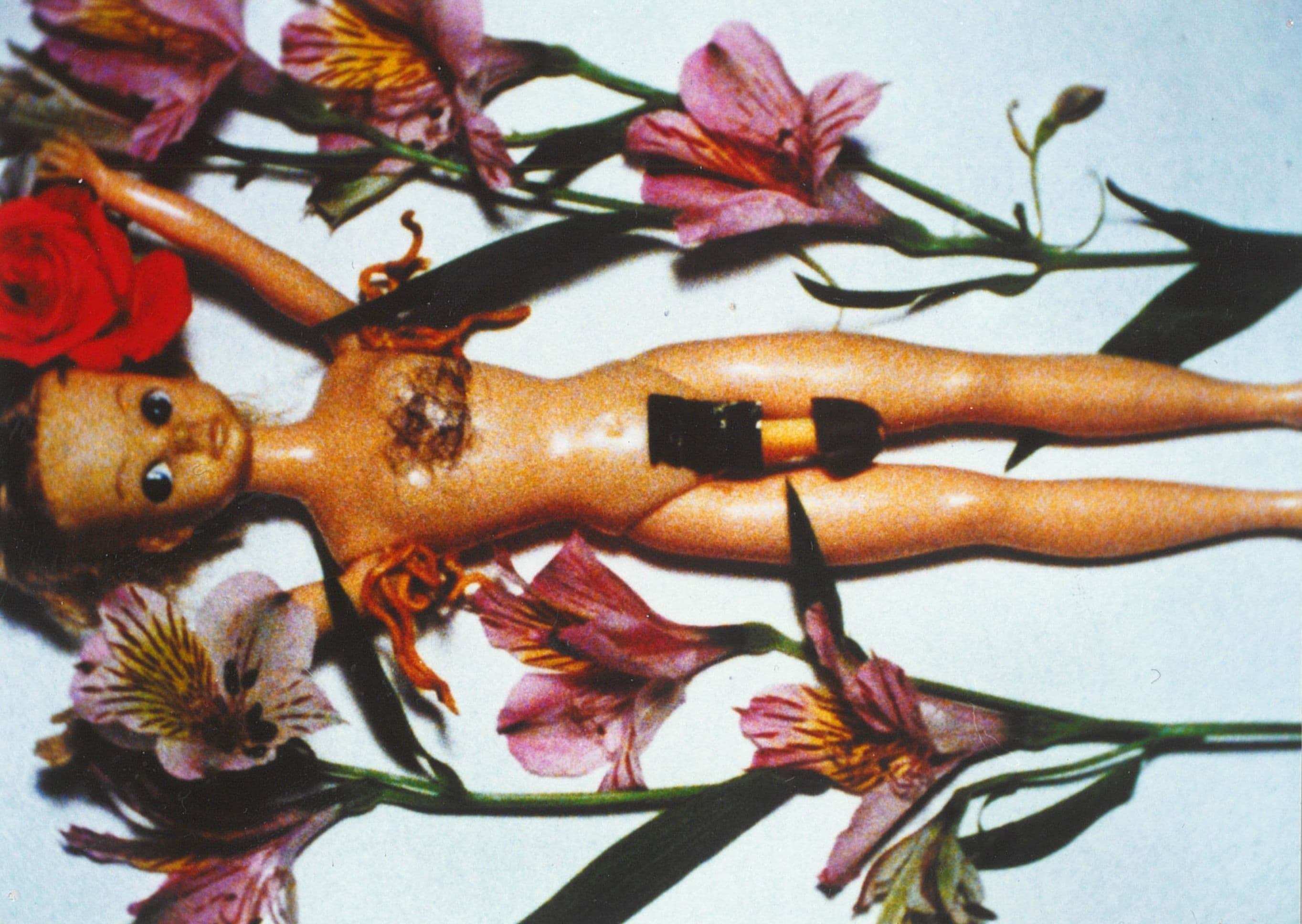
Using stop-motion animation, what Koguchi called 無理矢理アニメ (forced animation), twin sisters Lulu and Lala in 'A Dandelion (Rosaceae)' go through enchanting bodily transformations. The film is a playful and disorienting exploration of sexuality, gender ambiguity, and the chaos of desire, made in the shadow of the AIDS crisis. ( Cici Peng )
In 1993, Utako Koguchi filmed a second diary — this time, she herself walks through the city with the camera. Her paths, the streets and houses, the night and the morning, visits. Once again, there is that curiosity and the desire to see everything in detail, as if the camera’s eye could see more — all that which daily life tends to hide. And so I join her on her expeditions through the everyday, which become as thrilling as a dangerous journey.
At the place where a house previous stood, the front gate still stands locked with long grass growing behind it. It was not my house but contains much nostalgia, so I call the place “The Home of Grass”. By night I feel the earth of this place, I believe that the feelings and memories for my mother, my child that were to be, my boyfriend and all my loved ones are buried there. When the night falls, these concealed emotions rapidly expand and fill and tighten my heart.
This movie is set on New Years Eve. A young woman lives in an apartment alone. And her spirit is leaving her body to visit a past boyfriend’s apartment.
( Ute Aurand / Utako Koguchi )
In the presence of Ute Aurand who is introducing the programs.
A Dandelion (Rosaceae)
D: Utako Koguchi, 16mm, color, sound, 9 min, 1990
O-DE-KA-KE Diary 2 – The Home of Grass
D: Utako Koguchi, 16mm, color, sound, 57 min, 1993